


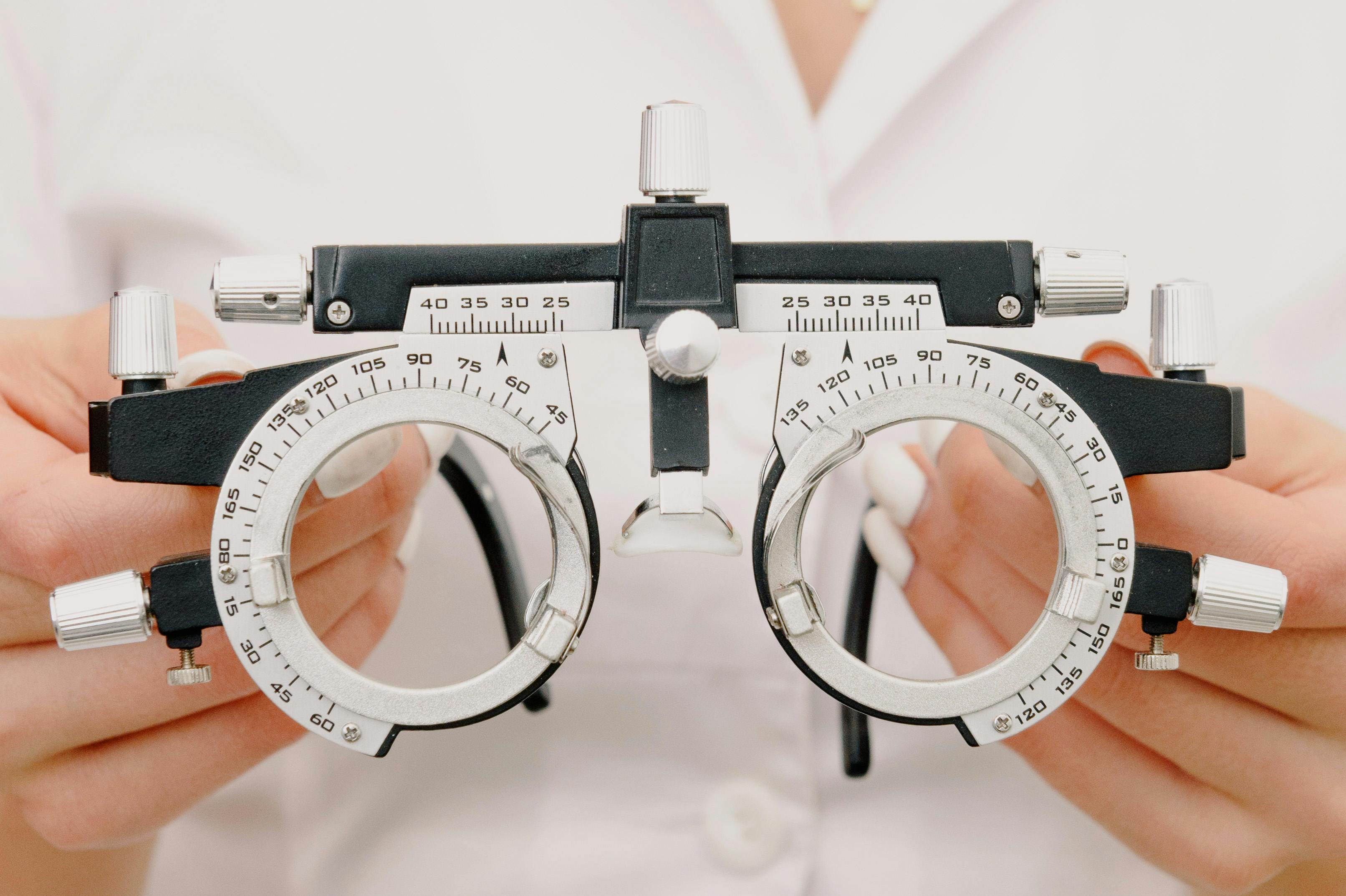
Can Obesity affect your Eyesight

Obesity affects millions of Americans. Each year, the number of people who have been diagnosed with obesity increases. Obesity isn't just a physical condition, though. It can also affect the eyesight of an individual if they're not careful about their diet and exercise habits.
Vision loss due to obesity can range from mild to severe
There are three levels of vision loss due to obesity: mild, moderate and severe.
- Mild vision loss does not require treatment as it does not affect your ability to perform everyday tasks. You may have trouble seeing distant objects or reading smaller print in dim light, but this can usually be managed with glasses or contact lenses.
- Moderate vision loss requires immediate treatment as it affects your ability to complete daily activities without assistance from others (such as driving). Your doctor may recommend surgery if the condition becomes acute enough that it interferes with your daily routine; however, there are other options available before resorting to surgery such as medications like eye drops and oral medications which work by increasing blood flow around the retina so they can get nutrients more efficiently while reducing swelling around them at night when they're sleeping so they don't wake up feeling tired all day long because their eyes feel swollen shut due to fluid buildup inside.
Eating healthy foods, maintaining a proper weight, and exercising regularly can help manage vision loss
A healthy diet and lifestyle can help you maintain your vision. Eating a balanced diet, drinking plenty of water, and exercising regularly are all important for maintaining good health.
Exercising regularly can also help prevent obesity-related eye diseases such as glaucoma and diabetic retinopathy.
The most common cause of vision loss from obesity is diabetic retinopathy
Diabetes is a disease that causes the body to have high blood sugar levels. It can damage many parts of your body, including your eyes. The most common cause of vision loss from obesity is diabetic retinopathy, which affects about one in four people with diabetes.
Diabetic retinopathy occurs when blood vessels in the retina become damaged or blocked by hard deposits called new blood vessel growth on the surface of the retina (neovascularization). This leads to bleeding and swelling behind the eye (retinal detachment), which can cause permanent vision loss if not treated early enough. Diabetic retinopathy often progresses without symptoms until it reaches an advanced stage, so it's important for people with diabetes who are at risk for this condition to get regular dilated eye exams by an ophthalmologist who specializes in diabetic eye disease every year or two after age 40; more often if any signs of early diabetic retinopathy appear during an exam; more frequently if you're over 60 years old; and even more often if you have other risk factors such as smoking or high blood pressure.

Glaucoma and eye strokes are also associated with obesity
Glaucoma is a condition that damages the optic nerve, which connects your eyes to your brain. The damage causes vision loss and can lead to blindness if not treated quickly.
Eye strokes are caused by bleeding in the brain, usually from high blood pressure or diabetes. They're more common in people who are overweight or obese because they have higher rates of both conditions than normal weight individuals do.
Obesity causes inflammation, which impacts the arteries that bring blood to the eyes
If you're obese, the inflammation can affect the arteries that bring blood to your eyes. Inflammation is caused by fat deposits and other substances in your body. This can lead to blocked arteries that may cause vision loss or damage to other parts of your body like kidneys and heart. Obesity also increases risk for high blood pressure, which is another risk factor for eye disease because it damages both eyes. High blood pressure causes fluid buildup between layers inside an eye lens, a condition called cataracts and increases risk for glaucoma.
Your eyesight can be affected by obesity
Your eyesight can be affected by obesity. The most common cause of vision loss from obesity is diabetic retinopathy, a condition that affects the blood vessels in your retina (the tissue at the back of your eye). This can lead to a number of complications, including macular edema and retinal hemorrhage.
Other causes include glaucoma, which increases pressure on the optic nerve; and eye strokes caused by high blood pressure or atherosclerosis (hardening of arteries), both risk factors for heart disease and stroke.
Conclusion
To sum up, obesity can cause a variety of vision problems including glaucoma and macular degeneration. These conditions are treatable with laser surgery or medications, so it’s important to seek treatment as soon as possible. If you have diabetes, be sure to watch out for signs of retinopathy (such as floaters or blurry vision) that may indicate eye damage could be developing if left untreated. And remember: prevention is the best cure!
What Is Macular Degeneration?
Macular degeneration is a condition that affects the central portion of the retina. The macula is a small area at the center of your eye that allows you to see objects directly in front of you and perform tasks like reading and driving. When your macula gets damaged, some vision loss occurs over time. There are two types of AMD: dry AMD and wet AMD. Dry AMD tends to affect older people (typically age 50 or older), while wet AMD usually happens earlier in life (usually before age 40).
Macular degeneration is the leading cause of vision loss in the U.S.
Macular degeneration is the leading cause of vision loss in the U.S., affecting one in three people over age 65. It's also one of the most common causes of vision loss overall, affecting nearly 10 million Americans each year—more than any other condition!
Macular Degeneration occurs when the macula begins to deteriorate due to aging or other factors like diabetes and high blood pressure. The retina becomes damaged, sometimes causing a blind spot on your line-of-sight to one side or another; this can affect how well you see objects at varying distances from your face as well as colors and light intensity level throughout day/night cycles during daylight hours.

There is no cure for macular degeneration, but it can be treated to slow its progression.
There is no cure for macular degeneration, but it can be treated to slow its progression.
AMD is a progressive disease that causes the loss of central vision and affects about 3 million Americans over age 65. Early detection and treatment can help prevent vision loss from getting worse or from affecting your ability to see colors or shapes accurately.
There are treatments available that can slow the progression of AMD:
There are several types of eye drops that can help with dry eyes and reduce inflammation in the eye.
Acetazolamide (Diamox) — This drug slows down how quickly your body breaks down vitamin A, which is important for good vision. It may also work better than other treatments when combined with other medications such as beta blockers or anti-inflammatory drugs like ibuprofen or naproxen sodium (Aleve). However, this drug isn't available generically in the U.S.; you'll have to go through an insurance company's coverage before getting it covered by Medicare Part D plans if you fall into this category.* Triamcinolone acetonide ointment (Kenalog 0.1 percent) — This medication reduces swelling by blocking certain enzymes involved in these reactions.* Glaucoma eyedrops such as timolol maleate 0.5% injection; betaxolol hydrochloride 0%; esmolol tartrate 1%; metaraminol bitartrate 2%; timoptic drop formulation containing dexamethasone phosphate 1%.
You should go to your doctor for regular checkups if you have macular degeneration because early detection is key in treatments for this condition
You should go to your doctor for regular checkups if you have macular degeneration because early detection is key in treatments for this condition. Treatment can slow its progress, but there's no way to prevent AMD from worsening over time without a cure.
You should also see an eye doctor regularly so that he or she can check for signs of age-related macular degeneration (AMD) and other eye diseases like glaucoma or cataracts.
Conclusion
Macular degeneration is a common condition that can cause vision loss if not treated early on. If you get diagnosed with macular degeneration, start your treatment right away so you don’t lose your eyesight. Your doctor may recommend a special diet or medications to slow down the progression of this disease. You should also see an eye specialist every year for annual checkups to ensure no new problems are developing in your central vision area at any time during the year
What are the Advantages and Disadvantages of wearing Contact Lens?
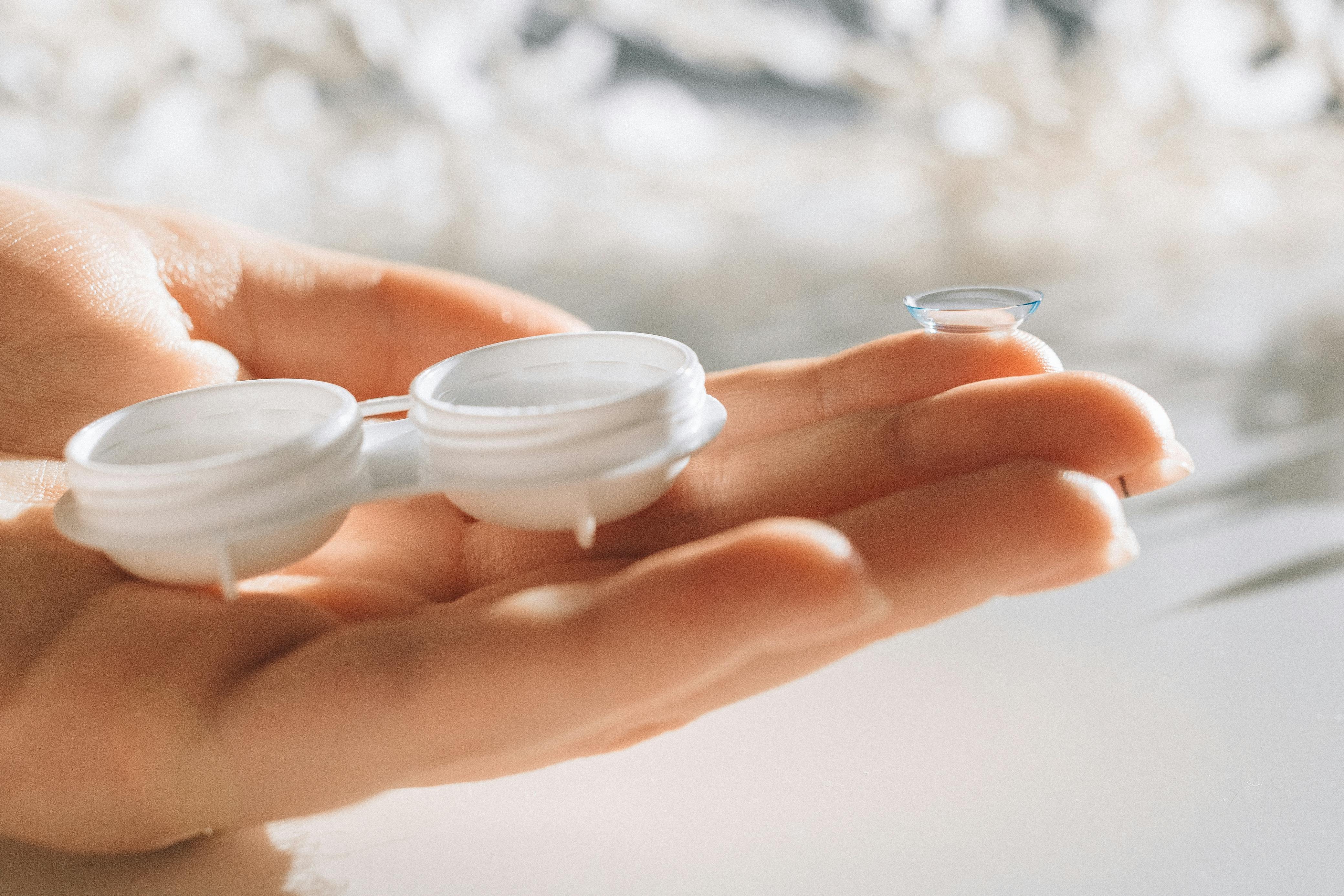
Yes, contact lenses are safe when used as prescribed by a qualified eye doctor. In fact, the FDA has approved contact lenses for many years. The most common reasons for rejection of contact lens prescriptions are improper cleaning, or lack of care or attention to instructions. The FDA also requires that all contact lenses must be approved by the FDA before they can be sold in the United States. A contact lens prescription is valid for one year and then must be renewed by your eye doctor.
Advantages of contacts:
- Convenience—No need to remove your glasses every time you want to see clearly.
- Comfort—The soft plastic lens rests gently against your eye.
- Concealment—Contact lenses can be worn in any color of eye shadow or mascara without showing through on the surface of the lens. This is especially helpful if you have light eyes and want to wear dark eye shadow or mascara without having it show up through your lenses.

Disadvantages:
- Cost—Contact lenses can be expensive because they require special solutions and solutions may need to be replaced every few weeks depending on how often you wear them (some solutions last longer than others). Also, some people experience dryness with contact.
Contact lenses and eyeglasses are both great for your eyes, but each has its own advantages.
Contact lenses are an excellent choice for people who want to wear a specific type of eyewear but cannot find a frame that fits them well. They also have the advantage of being able to change their appearance instantly by switching lenses (for example, going from a tinted lens to clear). This is something you can't do with glasses.
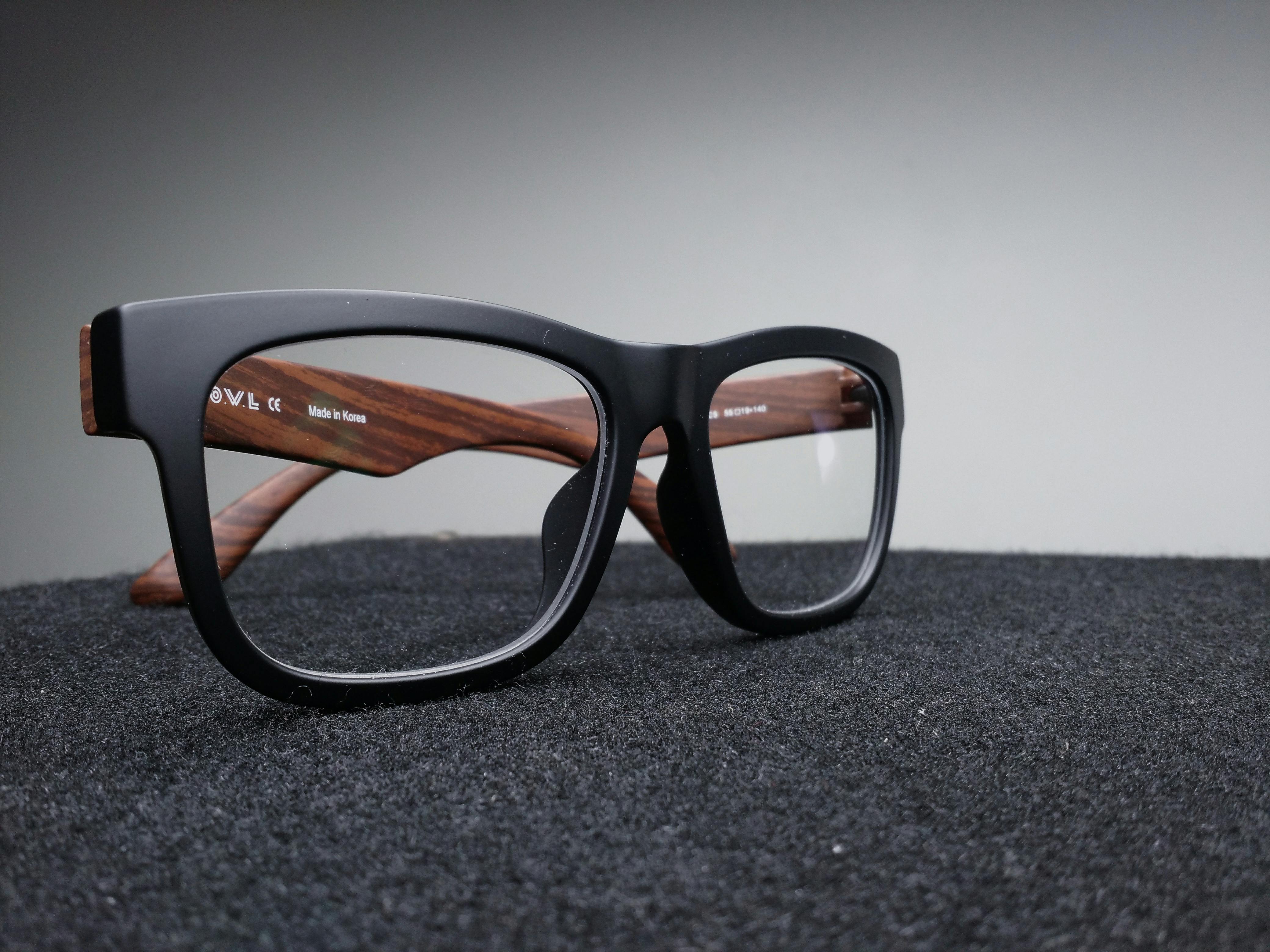
Another advantage of contacts is that they don't require any special care beyond proper cleaning and disinfecting—you simply put them in your eyes and wear them! Eyeglasses, on the other hand, are more complicated because they require frequent cleaning and maintenance. They also need to be replaced more frequently than contact lenses do.
What are the adverse effects of Ultraviolet Light on the Eyes?
Most of us like to enjoy the sunlight with the soothing sounds of the sea waves. The sun gives a lot of health benefits, such as it creates Vitamin D in the body and helps in building a healthy immune system. But it is also associated with health risks, especially when the ultraviolet rays are the strongest (between 10 am and 4 pm).
Hearing about sun UV light, people start thinking about the damage it can do to the skin. But a few are aware of the effect of UV radiation on the eyes. And not only from the sun, but artificial UV rays also cause a lot of damage to the eyes. It is vital to take precautions to protect the eyes from increased levels of harmful UV rays outdoors.
Ultraviolet light
There are several ways through which the sun sends energy to our planet: through visible light, which we can see, through infrared radiation, which we can feel (we feel this as heat) and through ultraviolet radiation, which we can neither see nor hear. Though most of the ultraviolet rays are absorbed by the ozone layer, the ongoing depletion of ozone due to the release of chemicals has made it even more essential for us to take care of our skin and eyes.

UV rays are of three types:-
1. UVA rays (UltravioletA)
The ozone layer provides little protection from UVA rays, and most of it reaches the earth. These rays cause significant damage to the skin and eyes. It also reduces immunity, which helps fight diseases and increases the risk of skin cancer.
2. UVB rays (Ultraviolet B)
We are shielded from most of these rays by the earth's atmosphere, and the amount that can reach us depends upon the altitude, latitude and several other factors. These rays cause sunburn and slow blindness- in which the cornea gets sunburn that leads to temporary vision loss.
3. UVC rays (Ultraviolet C)
These rays are completely absorbed by the atmosphere (Ozone layer), so they don’t reach the surface and don’t cause any damage.
In addition to the sun, some artificial sources such as welding machines also emit UV light.
Effect of ultraviolet radiation on eyes
Prolonged and short term exposure to UV rays, lead to certain eye conditions and diseases such as:-
- Cataracts- This condition makes the eyes lense cloudy, which is clear under normal circumstances. UV-B light leads to certain types of cataracts. Studies suggested that ultraviolet rays are responsible for 10% of cataracts cases all around the world.
- Photokeratis- Also known as snow blindness, photokeratitis happens when a person is exposed to high short term UV rays. Most of the time, this problem arise when a person takes sunbathe for long hours or went to skiing without sunglasses or other eye protection gear.
- Pterygium- People who mostly develop pterygium are surfers, fishermen and farmers who spend long hours under the mid-day sun or near rivers or oceans.
- Macular Degeneration- This eye condition happens in the central black portion of the eye called the macula. It is the leading cause of blindness in old age people. The risk of macular degeneration increases with prolonged exposure to the ultraviolent light.
- Skin cancer- Prolonged exposure to UV light leads to skin cancer around the eyelids.
Who are at high risk?
Though anyone can develop the above eye conditions when exposed to Ultraviolent radiation, several other factors such as the amount of time spend under the sun increase the risk. In addition, you are at high risk if you have recently had cataract surgery, are taking certain medications such as sulfate drugs, or are a welder or medical technician.
What can you do to protect yourself?
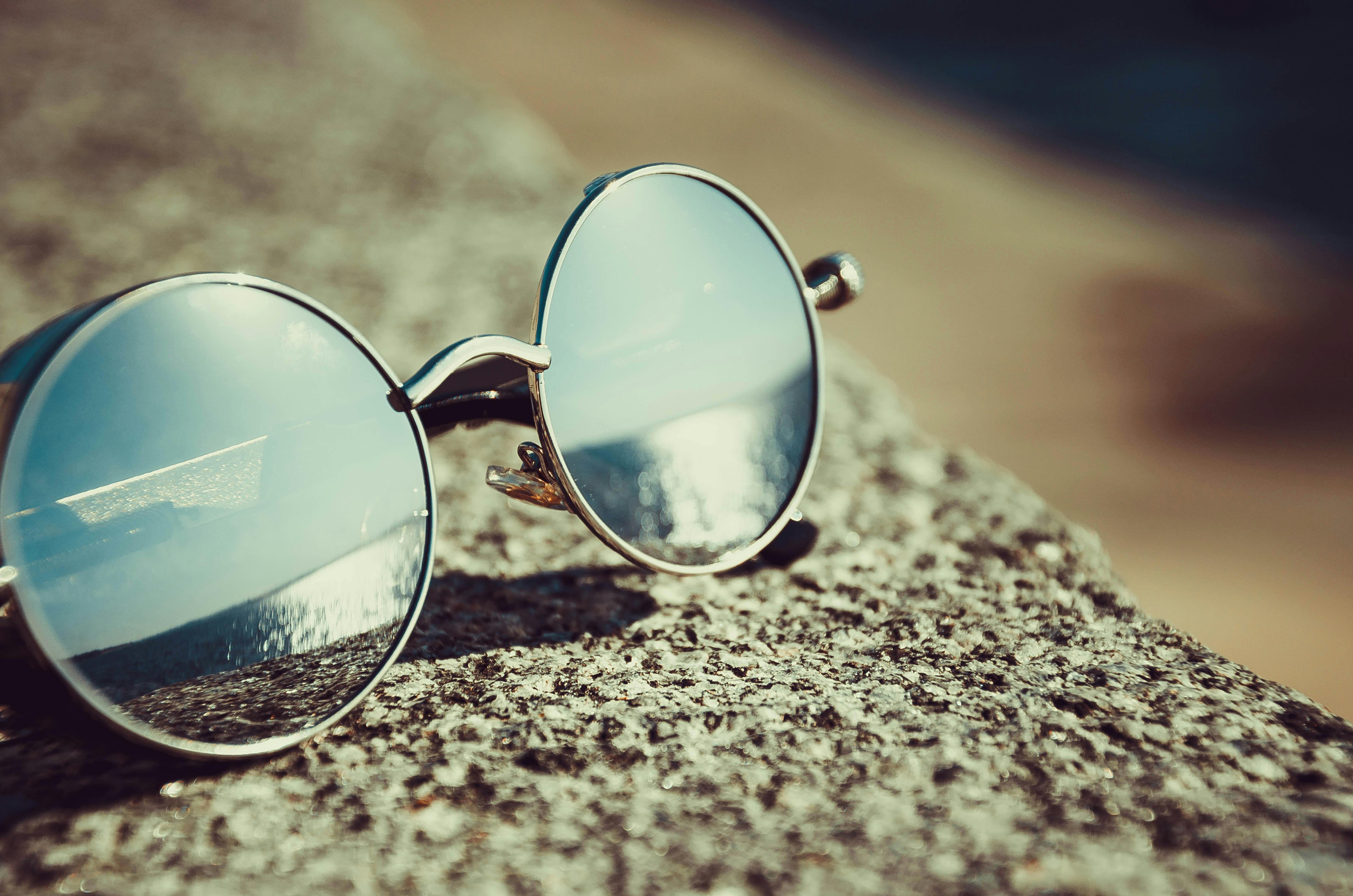
You can get exposed to UV light from many directions as the UV light radiate from the sun is reflected from the ground, ocean and snow. To protect yourself from harmful sun rays, wear proper sunglasses and hats. Your sunglasses must do the following things:
- Screen out 99 to 100% of UVA and UVB rays.
- Blocks 70 to 90% of visible light
- Consider grey colour lenses as it gives proper colour recognition.
Some additional tips for protecting your eyes from the sun's ultraviolet radiation are:-
- Consider wearing a hat along with your sunglasses.
- Limit spending time in the midday sun.
- Avoid looking directly at the sun. As it can lead to an injury called retinopathy.
- Keep in mind that clouds do not block UV light. So, keep yourself protected.


