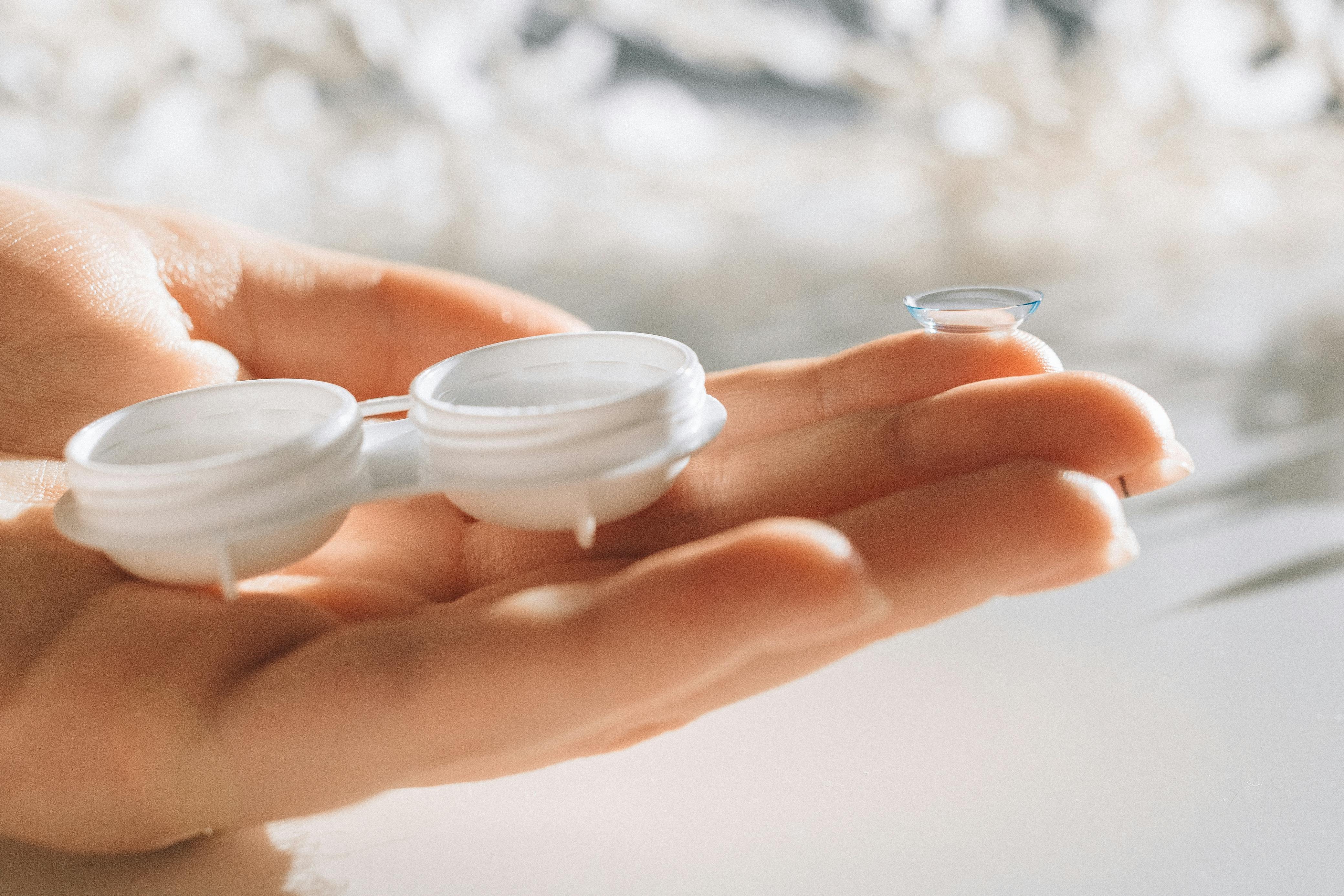
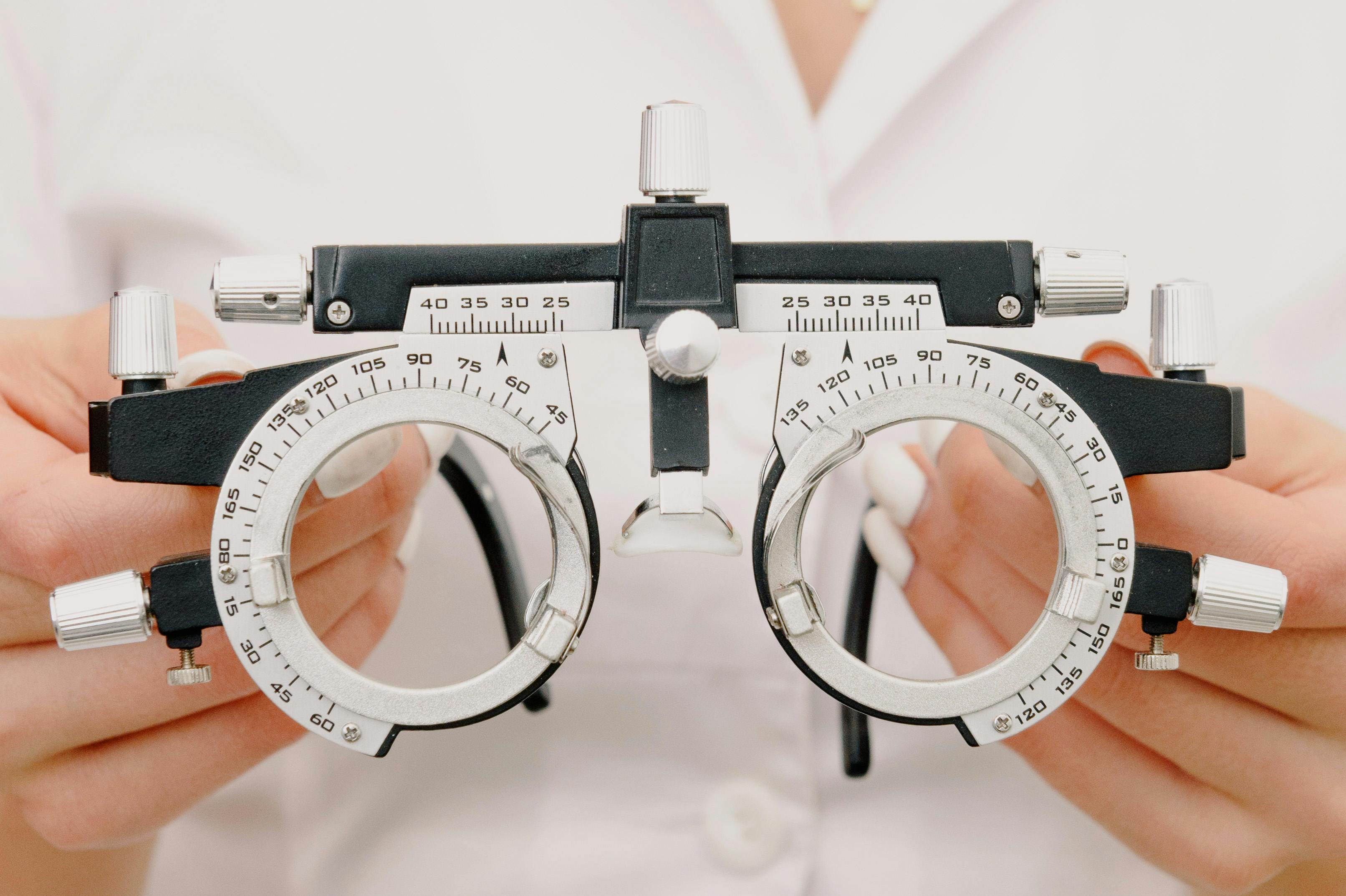
What are the Advantages and Disadvantages of wearing Contact Lens?

Yes, contact lenses are safe when used as prescribed by a qualified eye doctor. In fact, the FDA has approved contact lenses for many years. The most common reasons for rejection of contact lens prescriptions are improper cleaning, or lack of care or attention to instructions. The FDA also requires that all contact lenses must be approved by the FDA before they can be sold in the United States. A contact lens prescription is valid for one year and then must be renewed by your eye doctor. 

Advantages of contacts: 

  • Convenience—No need to remove your glasses every time you want to see clearly.
  • Comfort—The soft plastic lens rests gently against your eye.
  • Concealment—Contact lenses can be worn in any color of eye shadow or mascara without showing through on the surface of the lens. This is especially helpful if you have light eyes and want to wear dark eye shadow or mascara without having it show up through your lenses. 

Disadvantages: 

  • Cost—Contact lenses can be expensive because they require special solutions and solutions may need to be replaced every few weeks depending on how often you wear them (some solutions last longer than others). Also, some people experience dryness with contact. 

Contact lenses and eyeglasses are both great for your eyes, but each has its own advantages. 

Contact lenses are an excellent choice for people who want to wear a specific type of eyewear but cannot find a frame that fits them well. They also have the advantage of being able to change their appearance instantly by switching lenses (for example, going from a tinted lens to clear). This is something you can't do with glasses. Another advantage of contacts is that they don't require any special care beyond proper cleaning and disinfecting—you simply put them in your eyes and wear them! Eyeglasses, on the other hand, are more complicated because they require frequent cleaning and maintenance. They also need to be replaced more frequently than contact lenses do.
Share:

What are the adverse effects of Ultraviolet Light on the Eyes?

Most of us like to enjoy the sunlight with the soothing sounds of the sea waves. The sun gives a lot of health benefits, such as it creates Vitamin D in the body and helps in building a healthy immune system. But it is also associated with health risks, especially when the ultraviolet rays are the strongest (between 10 am and 4 pm). 

Hearing about sun UV light, people start thinking about the damage it can do to the skin. But a few are aware of the effect of UV radiation on the eyes. And not only from the sun, but artificial UV rays also cause a lot of damage to the eyes. It is vital to take precautions to protect the eyes from increased levels of harmful UV rays outdoors. 

Ultraviolet light 

There are several ways through which the sun sends energy to our planet: through visible light, which we can see, through infrared radiation, which we can feel (we feel this as heat) and through ultraviolet radiation, which we can neither see nor hear. Though most of the ultraviolet rays are absorbed by the ozone layer, the ongoing depletion of ozone due to the release of chemicals has made it even more essential for us to take care of our skin and eyes. 

UV rays on eyes - goodrich optical


UV rays are of three types:- 

1. UVA rays (UltravioletA) 

The ozone layer provides little protection from UVA rays, and most of it reaches the earth. These rays cause significant damage to the skin and eyes. It also reduces immunity, which helps fight diseases and increases the risk of skin cancer. 

2. UVB rays (Ultraviolet B) 

We are shielded from most of these rays by the earth's atmosphere, and the amount that can reach us depends upon the altitude, latitude and several other factors. These rays cause sunburn and slow blindness- in which the cornea gets sunburn that leads to temporary vision loss. 

3. UVC rays (Ultraviolet C) 

These rays are completely absorbed by the atmosphere (Ozone layer), so they don’t reach the surface and don’t cause any damage. In addition to the sun, some artificial sources such as welding machines also emit UV light. 

Effect of ultraviolet radiation on eyes 

Prolonged and short term exposure to UV rays, lead to certain eye conditions and diseases such as:- 
  1. Cataracts- This condition makes the eyes lense cloudy, which is clear under normal circumstances. UV-B light leads to certain types of cataracts. Studies suggested that ultraviolet rays are responsible for 10% of cataracts cases all around the world. 
  2. Photokeratis- Also known as snow blindness, photokeratitis happens when a person is exposed to high short term UV rays. Most of the time, this problem arise when a person takes sunbathe for long hours or went to skiing without sunglasses or other eye protection gear.
  3. Pterygium- People who mostly develop pterygium are surfers, fishermen and farmers who spend long hours under the mid-day sun or near rivers or oceans. 
  4. Macular Degeneration- This eye condition happens in the central black portion of the eye called the macula. It is the leading cause of blindness in old age people. The risk of macular degeneration increases with prolonged exposure to the ultraviolent light. 
  5. Skin cancer- Prolonged exposure to UV light leads to skin cancer around the eyelids. 

Who are at high risk? 

Though anyone can develop the above eye conditions when exposed to Ultraviolent radiation, several other factors such as the amount of time spend under the sun increase the risk. In addition, you are at high risk if you have recently had cataract surgery, are taking certain medications such as sulfate drugs, or are a welder or medical technician. 

What can you do to protect yourself? 

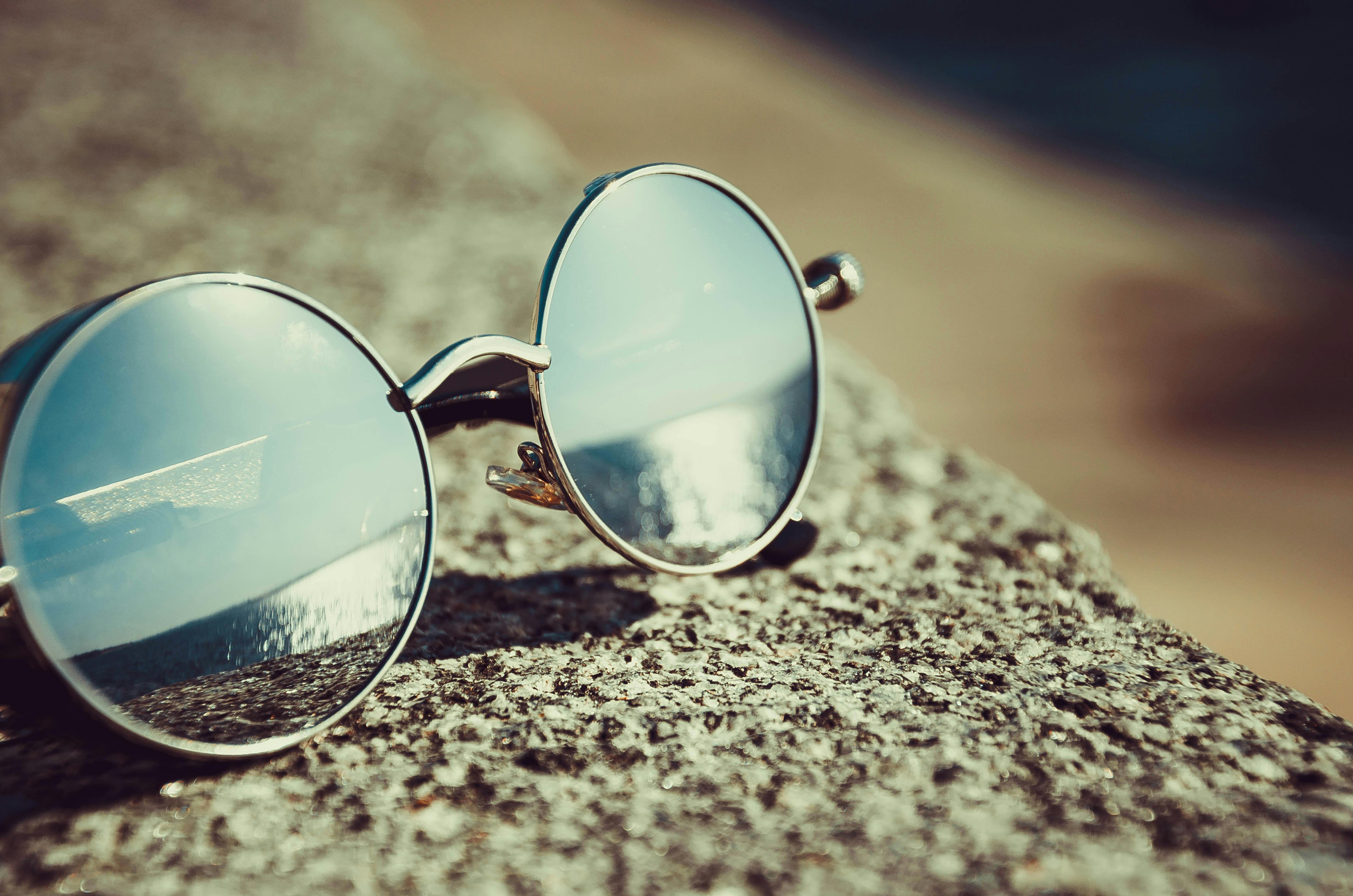
You can get exposed to UV light from many directions as the UV light radiate from the sun is reflected from the ground, ocean and snow. To protect yourself from harmful sun rays, wear proper sunglasses and hats. Your sunglasses must do the following things: 
  • Screen out 99 to 100% of UVA and UVB rays. 
  • Blocks 70 to 90% of visible light 
  • Consider grey colour lenses as it gives proper colour recognition. 
Some additional tips for protecting your eyes from the sun's ultraviolet radiation are:- 
  • Consider wearing a hat along with your sunglasses. 
  • Limit spending time in the midday sun. 
  • Avoid looking directly at the sun. As it can lead to an injury called retinopathy. 
  • Keep in mind that clouds do not block UV light. So, keep yourself protected.
Share:

Effect of Smoking on Eyes

Share:

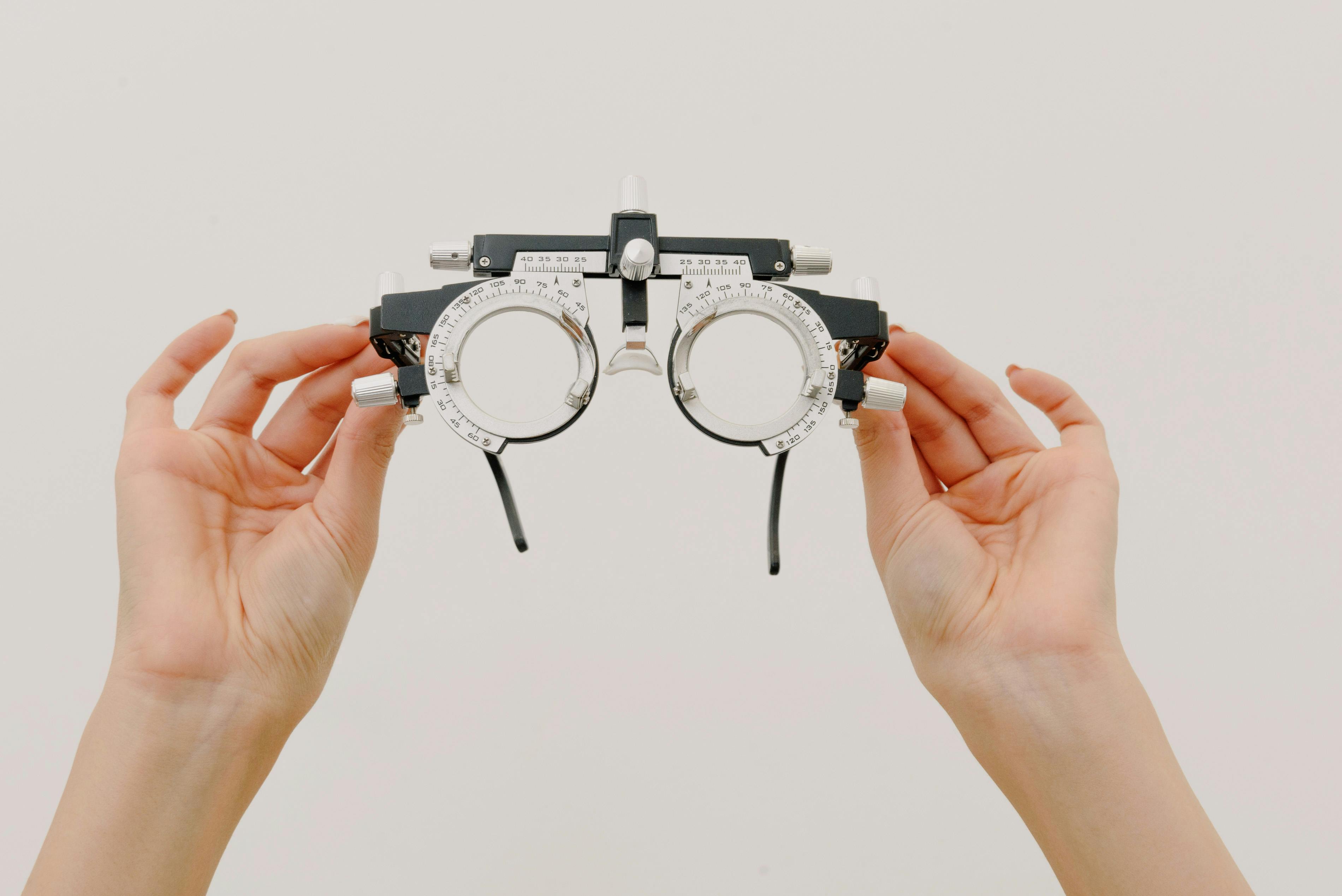
What are Different Types of Eye Exams

An eye examination includes a series of routine vision tests to identify eye problems at their earliest stage.

These are the several different tests to evaluate the vision. 
  1. Eye muscle test 
  2. Visual acuity test 
  3. Refraction 
  4. Retinal Exam 
  5. Biomicroscopy 
  6. Visual Field Test 


Share:

Vision Screening vs Eye Exam: Is There Really a Difference?

At a first glance, “vision screening” and “eye exam” sound like they might be the same thing. But the reality is, they are quite different and serve different purposes. 

Vision Screening 

If you forget everything we talk about in the rest of this article, remember this: vision screening is exactly what it sounds like – a screening. Screens can take on an extremely wide variety of forms. If the nurse at your childs school brings along a (last time we’ll mention them) Snellen Chart and puts a class through its paces, that is a vision screening. 

If, during a routine physical, your doctor performs a similar, cursory vision exam, that is a vision screening. If you go to the Secretary of State (DMV) and have to respond to flashing lights before renewing your license, that is once again, a vision screening. 

Parents should take especially careful note of the above. A clean bill of health for your child following a vision screening might sound reassuring. It’s important to realize however, that these tests are far from the final word on your child’s eye health. 

vision screening - goodrichoptical

Comprehensive Eye Exam 

Unlike a screening, an eye doctor will actively examine for multiple disorders. These include crossed or ‘lazy’ eyes, differences in acuity between the eyes (amblyopia), and a raft of other vision-related issues that a quicker checkup just cannot catch. 

Even more importantly, a trained eye doctor is much more likely to notice early signs of eye disease. Even extremely serious conditions, such as glaucoma, can have few noticeable signs during the early stages of development. Most vision screenings are designed to perform an extremely wide sweep of potential problems and can miss these apparently minor details. 

Your eyes are not the only things that could benefit from an eye examination. There is a long list of other diseases that are often first detected during a routine comprehensive eye exam. Take Ankylosing Spondylitis, a chronic type of inflammatory arthritis of which our founder suffers. Many people with AS often feel it first as non-specific back pain. This is a notoriously hard thing to pin on any one symptom. However, AS can also cause telltale irritation to the eyes. A doctor will detect this issue more easily in an eye exam than a routine physical. 

Get experts advice regarding vision screening or eye examination in holt, contact GoodRich Opticals.

Other common diseases and conditions most typically detected first in an eye exam include; Diabetes, Aneurysms, Tumors, Cancers, High Blood Pressure, High Cholesterol, Lupus, Lyme Disease, MS, Myasthenia Gravis, Sickle Cell, Sjögren's, Strokes, Thyroid Disease and STD’s (Syphilis, herpes, chlamydia, HIV, gonorrhea, genital warts and pubic lice can all affect layers of the eye). All are often first detected during an eye examination test. NOTE- the possibility of detecting these diseases and conditions is the reason your eye doctor takes a comprehensive health history. It may help them in finding a disease in it’s earliest stages when it can be most easily treated. 

What This Means for You 

The biggest point you should take away from the above sections is: vision screenings are not a sufficient safeguard of eye health. They are helpful, sure, but they simply are not designed to catch the majority of possible problems. When we talk about your vision, that is not nearly enough. Instead, find an eye doctor you trust. Schedule consistent eye exams and return as the doctor recommends. This goes double for children. Vision screenings can easily miss a large percentage of the many, many things that can go wrong with the eyes of a child. So, do not be content with a school screening or pediatrician’s OK; make sure your child sees an eye doctor early and often.
Share:

Recent Posts